All Posts
Taper is an online literary zine that publishes tiny works of computational creativity. Specifically how tiny those works must be has varied a bit with some special issues, but the default instructions are that each submission must be created with no more than two kilobytes of code and data, a...

Thanks to an Inter-Library Loan, I recently had a chance to spend some time with Liam O'Gallagher's The Blue Planet Notebooks (1972), which is a fascinating artifact featuring computer-generated poetry, op art, visual poetry, and more. I started a Mastodon post to share some of what I noticed, but then I remembered: I have a blog! I don't have any major argument or interpretation to share, but I thought it would be useful to share some of what I discovered and realized about the work, notes that others might appreciate and that I can refer to later. One piece in particular stands out, "23 Extensions," which references both the I Ching and cybernetics.
I do a lot of walking, and I'm a big fan of hiking. Since I define "hiking" as "walking under trees," I probably take a hike of some form at least once a week, in addition to daily walks around my neighborhood. A few weeks ago, I completed a hike that turned out to be one of the most intense physical challenges I've ever completed -- on par with running a marathon -- and in this post, I want to reflect on why I did what I did, what went well, and what almost went really, really wrong in the process of hiking around 50 miles in two days.

In the final weeks of the Spring 2023 semester -- really, the whole semester, if I'm honest -- I noticed and joked with my students about the telltale apathy afflicting those students with forthcoming graduation dates about their "senioritis." This is a familiar academic joke, one of those things we say and expect other people to say at this stage in the annual rhythm of the school year as I've experienced it for most of my life. This year, though, I shared this sense of the thing to come outweighing the thing at hand -- I called this my "sabbaticalitis" in reference to the sabbatical I've been awarded for the Fall 2023 semester.

Note: What follows is the text version of a talk prepared for the 2022 ELO conference. This talk was accompanied by some slides
Background
Computational literature has a history nearly as long as that of computing, and creative programmers have found ways to produce literary work with a wide ra...

Many faculty I know who maintain a public digital identity reflect frequently and thoughtfully on their teaching with regular blogging. I don't tend to do that, unless there's some specific technology or unique pedagogy that I've been tried out in a semester, like w...
Writing is hard, and the many, many different platforms for doing writing and sharing that writing are, more often than not, just adding steps to the process of getting started that just make things take longer. For example, Google Docs is great for some things, but there are several steps standing...
On May 27, 2018, I joined my colleagues Brenta Blevins and Lee Skallerup Bessette in a session at the 2018 Computers and Writing Conference, held this year at George Mason University. It was my first Computers and Writing, and I had a good time learning from many interesting sessions. For my pap...
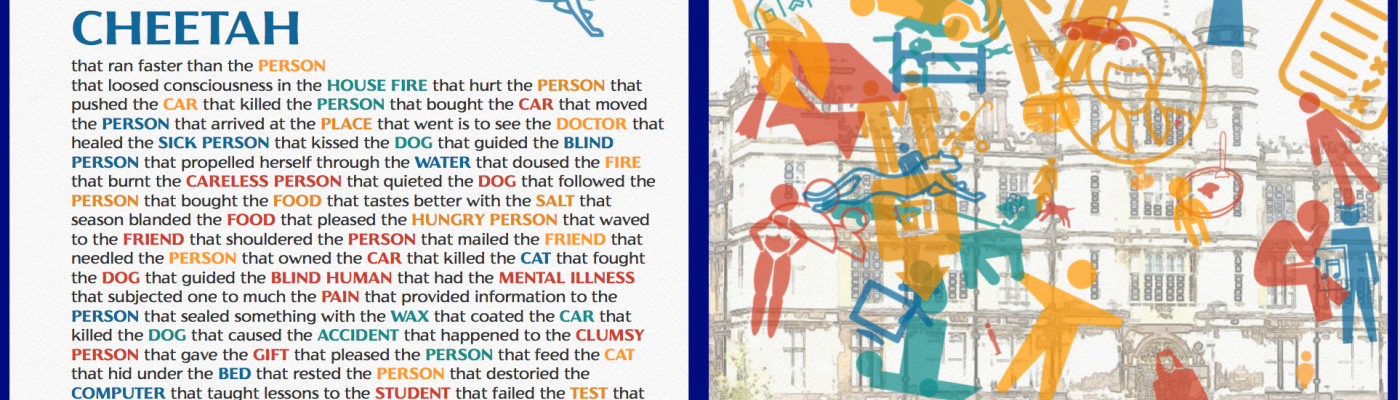
You may have heard of NaNoWriMo -- National Novel Writing Mo -- which is an even where aspiring authors attempt to start and finish a 50,000-word novel in the month of November. NaNoGenMo is a similar event that simply challenges aspiring authors to write code that will generate a 50,000 wor...
I first came to bots for one of my classes back in 2013, and in that time since, I've developed a small stable of botspawn that I'm relatively proud of. I've also developed a tool that helps people make bots in Google Spreadsheets without having to do write any code. Many people have used that s...
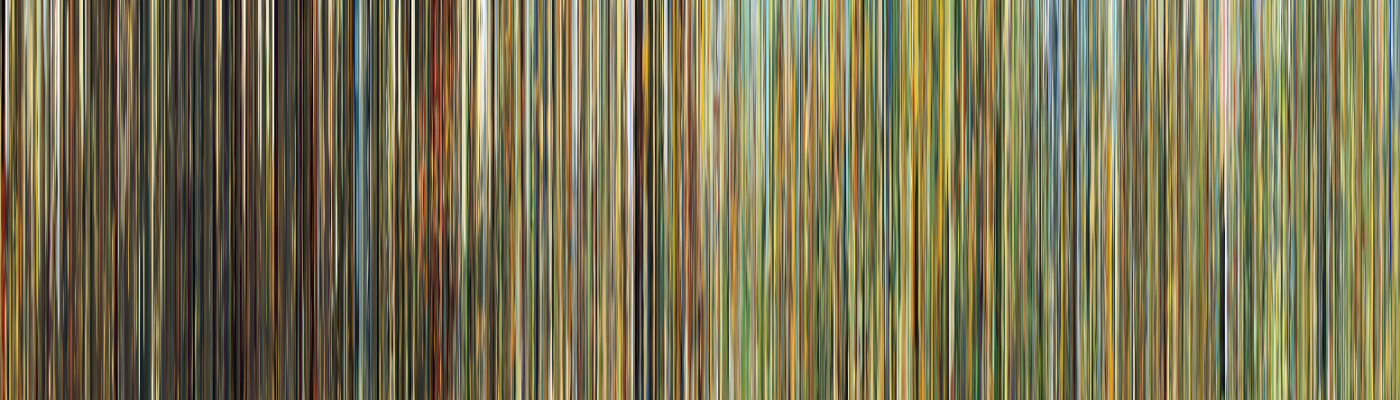
So-called "movie barcodes" are both elegant to look at and useful ways to explore how color schemes and designs shift throughout a film. Image montages can also demonstrate how a visual corpus changes over time, and plotting an image set into a graph based on values like hue and saturation could...
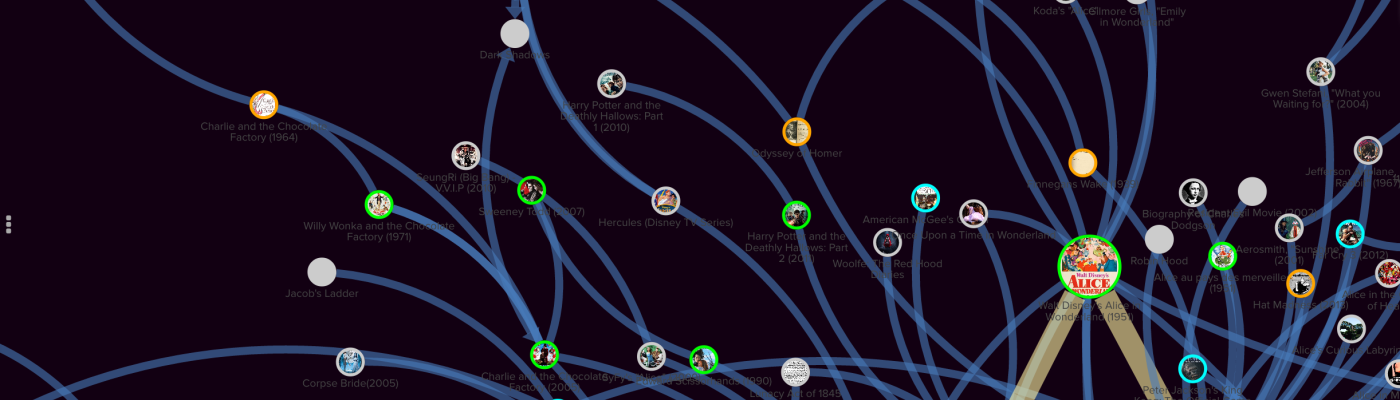
Kumu (Kumu.io) is a web-based tool for exploring systems and relationships between actors in a network. It can be used to map related concepts, related people, or really anything that can be understood as "elements" and "connections between those elements." In one of my classes last year, I create...

Slack is communication software popular for handling workplace information flow, project management, customer support, and all kinds of other things. It's useful for professional teams, but it's also convenient for just about any other community that needs a quick place for synchronous and asynchro...

I "wrote" and "published" a "graphic novel."
Like most people, I generally dislike scare quotes, but I want to underscore those in that declaration, because I want to be clear from the outset of this post and the two that will follow that my use of those three words in these ways is highly conting...
I'm a fan of animated GIFs, and one of my favorite features of UMW's Convergence Center is it's "Media Wall," a large, multi-screen display in the main area of the second floor. It's a cool place for looping, ambient visual art, so it's perfect for animated GIFs. Last year, my rendition of Cory Ar...
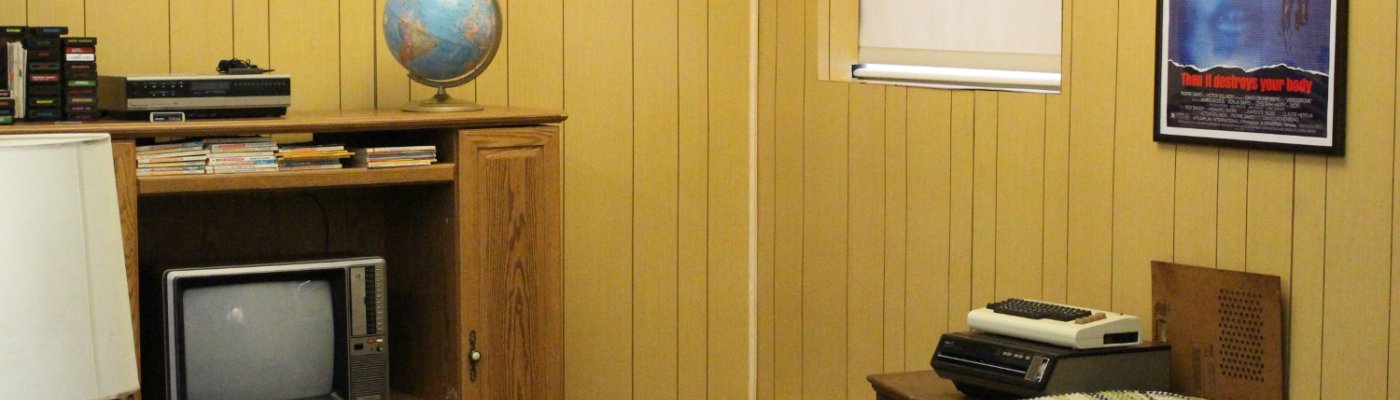
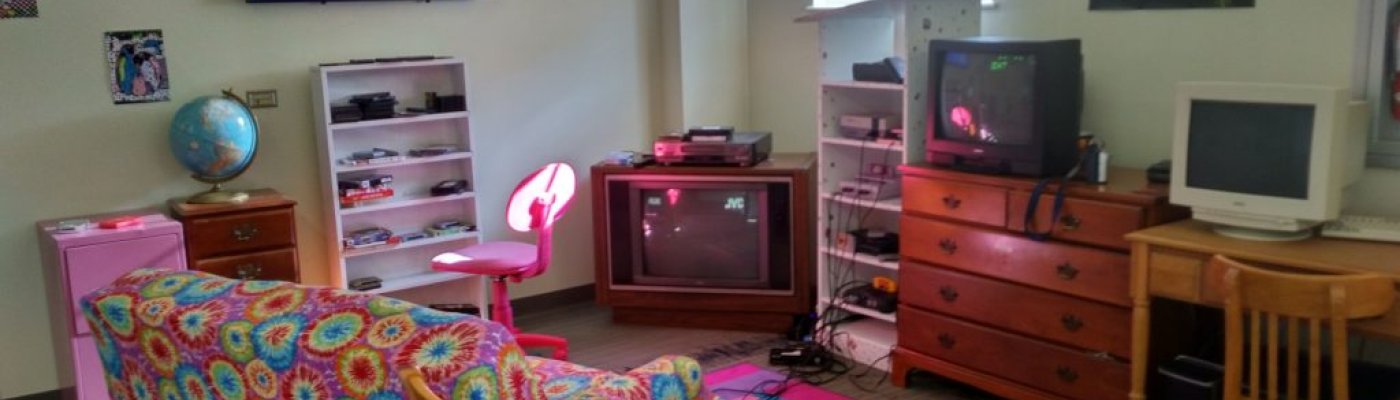
This past Spring, Jim Groom and I started up a project we've been calling the "Console Living Room" or just "#umwconsole." Jim has already written frequently and passionately about this project, but now that Jim is moving on, it falls to me to steer this project into something more permanent and...
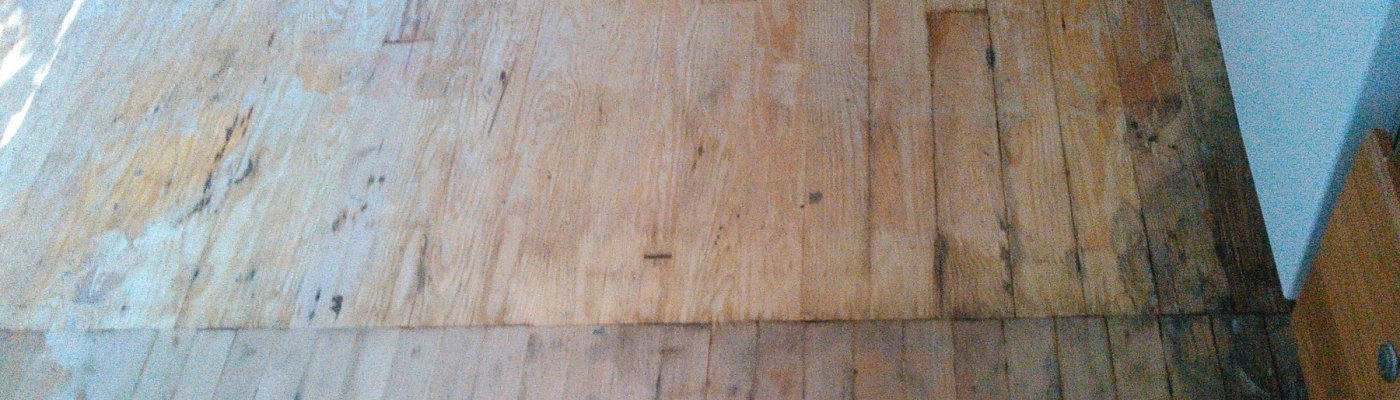
The picture at the top of this page is my kitchen floor, where the pine board half of my floor meets the oak board half of my floor in front of where the old dishwasher used to be. If you know me or have seen me in person during the last several weeks, you know that I have been working to renovate m...
Do you like Twitter bots? I know I sure do. I like following them, and I like making them. I also like introducing my students to bots as one way to do creative things in a networked digital context. That's way, back in 2013, I cobbled together a simple tool built on a Google...
